
Artificial Intelligence: The Technology of the Future
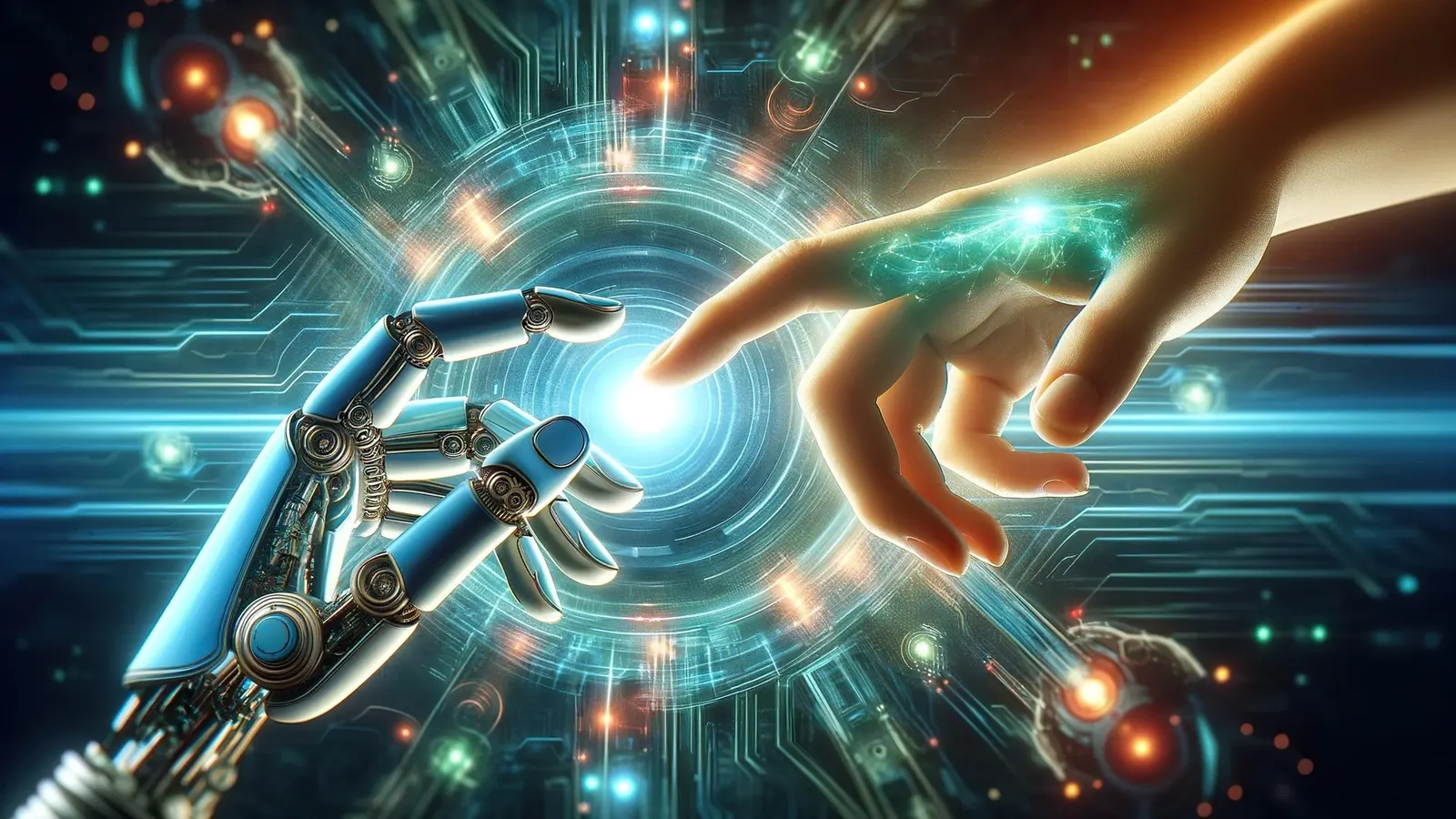
Artificial Intelligence (AI) is one of the most intriguing and rapidly developing fields in modern technology. This technology enables machines and systems to think, learn, and make decisions like humans. As the technology of the future, artificial intelligence is causing and will continue to cause revolutionary changes in many aspects of our lives.
The History of Artificial Intelligence
The history of artificial intelligence dates back to the mid-20th century when computers began to develop. It was officially introduced for the first time at the Dartmouth Conference in 1956. At this conference, the potential of artificial intelligence and its future achievements were discussed. The first AI systems were mainly based on logic and mathematics, but over time, new technologies such as machine learning, deep learning, and neural networks have been developed.
Main Types of Artificial Intelligence
There are several main types of artificial intelligence:
- Narrow Artificial Intelligence (ANI): This type of AI is programmed to perform a specific task. Examples include voice control systems (Siri, Alexa), machine translation programs, etc.
- General Artificial Intelligence (AGI): This type of AI can think comprehensively like a human and perform various tasks. This technology has not yet fully developed and is often depicted in science fiction films.
- Super Artificial Intelligence (ASI): This refers to AI that surpasses human intelligence. ASI is frequently depicted in science fiction literature and there are many discussions about what it might achieve in the future.
Applications of Artificial Intelligence
The applications of artificial intelligence are vast and continue to grow daily. Some of these areas include:
- Medicine: Disease diagnosis, treatment plan preparation, medical image analysis, etc.
- Finance: Fraud detection, investment analysis, trading algorithms, etc.
- Automobile: Autonomous driving technologies, safety systems, driver assistance systems, etc.
- Retail: Customer behavior analysis, personalized advertising campaigns, inventory management, etc.
Advantages and Challenges of Artificial Intelligence
The advantages of artificial intelligence include increased productivity, process automation, reduction of human errors, and the creation of new opportunities. However, this technology also has some challenges and ethical issues. For example, job reductions, protection of personal data, and the potential for AI to get out of control are serious topics of discussion.
Technologies of Artificial Intelligence
The development of artificial intelligence is carried out through various technologies and methods. The most important of these technologies include:
Machine Learning: This field allows computers to learn patterns and rules from data by training on them. Instead of specific programming, machine learning enables computers to learn based on data. Machine learning is widely used in:
- Data analysis and forecasting: Developing trading strategies in financial markets, analyzing customer behavior, and optimizing business decisions.
- Fraud detection: Banks and financial institutions use machine learning to detect credit card fraud and other fraudulent activities.
Deep Learning: A subfield of machine learning, deep learning works based on neural networks. This method makes it possible to learn complex patterns and data through training multi-layered neural networks. Deep learning is applied in:
- Natural Language Processing (NLP): Used in text analysis, translation, text generation, and chatbot development.
- Image and video processing: Recognition systems, analysis of medical images, and image analysis for autonomous vehicles.
Intelligent Agents: Intelligent agents are programs or robots capable of making decisions independently and interacting with their environment. This technology is particularly important in:
- E-commerce and customer service: Chatbots and virtual assistants are used to answer customer questions and facilitate the sales process.
- Robotics: Intelligent agents are applied in the automation of industrial robots, drones, and home robots.
The Future of Artificial Intelligence
The future of artificial intelligence (AI) looks very promising, with many exciting prospects for its development. Some future trends in this field include:
Human and AI Collaboration
In the future, humans and AI will collaborate more closely. People will be able to focus on more complex and creative tasks by leveraging the power of AI. For example, in the medical field, doctors will be able to conduct more precise and faster examinations using AI diagnostic tools.
Automation and Employment
As AI develops, many job processes will be automated. While this may lead to a reduction in some job roles, it will also create new job opportunities. People will shift towards jobs that require more technical and analytical skills.
Ethical and Legal Issues
The development of AI brings with it ethical and legal issues. For instance, the protection of personal data, fairness, and transparency in AI decision-making processes are of great importance. In the future, more legislation and regulations are expected to be adopted in this area.
Potential Problems of Artificial Intelligence
There are several potential problems associated with the development of AI:
- Data Privacy: AI systems process vast amounts of data, increasing risks related to personal data privacy.
- Bias and Injustice: The data AI learns from can be biased or inaccurate, leading to unfair decisions.
- Job Reductions: Automation may result in job losses, exacerbating unemployment issues.
AI and Education
AI has a significant impact on education and can change the future of teaching and learning. Some applications and benefits of AI in education include:
Personalized Education
AI enables the creation of personalized educational programs tailored to the individual needs, skills, and weaknesses of students. This helps each student maximize their potential. For example:
- Customized Learning Plans: AI analyzes students' achievements and learning styles to prepare personalized teaching plans.
- Learning Pace and Materials: AI offers learning paces and materials suited to each student's learning speed.
Virtual Teaching Assistants
AI-based virtual assistants and chatbots are used to answer students' questions during or after classes. These technologies aim to reduce teachers' workload and help students better understand their lessons.
- 24/7 Support: Students can ask questions and access learning materials at any time.
- Lesson Material Explanation: Virtual assistants explain lesson materials to students, aiding their understanding.
Learning Analytics and Feedback
AI monitors student performance through learning analytics and provides detailed feedback to teachers. This data helps teachers improve their teaching methods and better understand student progress.
- Identifying Strengths and Weaknesses: AI analyzes students' strengths and weaknesses, informing teachers where to focus more attention.
- Improving Teaching Methods: Teachers can enhance their teaching methods based on the data provided by AI.
AI and Healthcare
AI is extensively applied in healthcare, offering significant opportunities for disease diagnosis, treatment planning, and patient care. Some applications and benefits of AI in healthcare include:
Disease Diagnosis
AI enables faster and more accurate disease diagnosis through the analysis of medical images and data. For example:
- Radiology: AI-based systems analyze radiological images, detecting diseases at an early stage.
- Pathology: AI helps diagnose cancer and other diseases by analyzing biopsy samples.
Treatment Planning
AI plays a crucial role in preparing treatment plans for diseases. This technology suggests the most suitable treatment methods based on individual patient data.
- Personalized Treatment: AI prepares personalized treatment plans based on patients' genetic data and medical histories.
- Treatment Effectiveness Analysis: AI analyzes the effectiveness of various treatment methods, selecting those that provide the best results.
Patient Care and Monitoring
AI is widely used in patient care and home monitoring. This technology allows real-time monitoring of patients' health conditions, enabling timely interventions.
- Health Monitoring: AI-based devices monitor patients' vital signs, providing real-time data to doctors.
- Home Monitoring: AI-based systems are used for monitoring patients at home and ensuring timely medical assistance.
The Social Impacts of Artificial Intelligence
The development of artificial intelligence (AI) also has numerous social impacts. These impacts include unemployment, changes in education and training, and issues of social justice and equality.
Unemployment and Retraining
The automation capabilities of AI may lead to the reduction of some job roles. However, this also creates opportunities for new job fields and the retraining of current workers.
- Retraining Programs: Programs must be organized to help workers acquire new skills and adapt to AI-based jobs.
- New Job Fields: The development of AI will lead to the creation of new job fields and professions, diversifying the job market.
Social Justice and Equality
The development of AI also affects issues of social justice and equality. To ensure the fair and equal use of this technology, the following measures should be taken:
- Unbiased Algorithms: AI systems must be trained with accurate and unbiased data to ensure fair and just decisions.
- Transparency: Transparency in AI decision-making processes should be ensured to increase public trust.
Conclusion
Artificial intelligence (AI) is one of the fastest-growing fields in modern technology and is causing revolutionary changes in various aspects of our lives. Its development is driven by various technologies such as machine learning, deep learning, and intelligent agents. AI is widely applied in education, healthcare, finance, automotive, and many other fields, providing significant advantages.
In education, AI makes the learning process more efficient and effective through personalized learning, virtual teaching assistants, and learning analytics. In healthcare, AI plays an indispensable role in disease diagnosis, treatment planning, and patient care.
However, there are some issues associated with the development of AI, including data privacy, bias and injustice, and job reductions. Addressing these issues requires the adoption of ethical and legal regulations.
The social impacts of AI are extensive. Automation may lead to the loss of some jobs, but it will also create new job fields and professions. Issues of social justice and equality require the fair and transparent use of AI.
Overall, AI technologies are the technologies of the future with immense potential. When managed correctly and ethically, AI can bring numerous benefits to humanity. It is important for all of us to follow the development of AI, explore innovations and opportunities, and stay informed about this rapidly evolving field. We will continue to share more information and updates about AI with you in the future.
Recent Posts


For the first time in Azerbaijan - scientific rese...
22.10.2024 23:16
